
Our Stories
Strengthening CITES Compliance in Angola: Advancing Sustainability under the KAZA Vision


Angola is reinforcing its commitment to legal and sustainable trade in wildlife and forest resources by strengthening implementation of the Convention on International Trade in Endangered Species (CITES).
This process is being promoted under the Kavango Zambezi Trans Frontier Conservation Area (KAZA TFCA) vision of sustainably managing shared natural resources for socio-economic development. It is an effort that demands commitment, practical and harmonised action across borders – recognising that Angola’s vast forests and ecosystems support valuable timber species and iconic wildlife resources. Angola’s important connections to global markets through trade corridors and ports requires practical systems that work effectively on the ground to ensure legal, transparent, and sustainable trade supported by policy commitments.
To this end, Angola has developed and customised national CITES Standard Operating Procedures (SOPs), aligned with the KAZA regional framework. These SOPs translate international obligations into clear, step-by-step guidance for customs officials, forestry inspectors, law enforcement officers, and CITES authorities. The result is improved consistency in permit verification, shipment inspections, seizure handling, and preparation of Non-Detriment Findings (NDFs) which ensure exports do not threaten the survival of species.
The development of Angola’s CITES SOPs was facilitated under the KAZA TFCA Programme with financial support from the Federal Republic of Germany through KfW Development Bank and the United States Government through the United States Forest Service. Engagements with officials from Angola CITES Management Authority, National Institute for Biodiversity Area (INBAC), and the Forest Development Institute have been central to this process.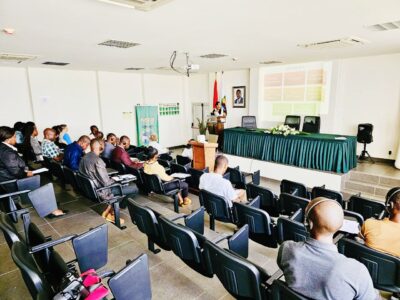
Angola’s efforts to strengthen its CITES implementation reflect a broader recognition: when well regulated, legal wildlife and forest product trade can contribute to sustainable development. This effort is particularly significant for high-value timber species such as those within the genus Pterocarpus, which are in strong international demand and require strict compliance with CITES requirements.
By harmonising procedures with neighboring Partner States, this also contributes directly to KAZA’s broader mission of policy harmonisation and regional cooperation. Wildlife and timber frequently move across borders, and effective management requires coordinated approaches among neighboring countries. Angola’s strengthened procedures will enhance transboundary and regional enforcement capacity, reduce loopholes, and improve cross-border coordination. Digital tools, including the KAZA Timber Permit Guide App, further support frontline officers with real-time access to species listings and permit requirements.
Ultimately, strengthening CITES implementation is an expression of national stewardship. By establishing clear operational procedures, Angola reinforces control over how its natural resources enter global markets, sending a clear message that trade in Angolan wildlife and timber must be lawful, transparent, and sustainable. This not only protects biodiversity but also safeguards legitimate businesses and rural communities that depend on sustainable natural resource use. Stronger regulatory systems reinforce KAZA’s broader mission: demonstrating that conservation landscapes can also drive economic opportunity.
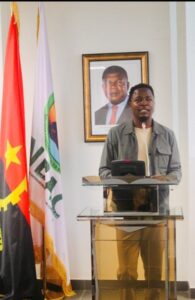
Angola’s achievement marks a critical milestone in the KAZA TFCA’s CITES strengthening and harmonisation process. The final planned process is for Zimbabwe following similar progress made by Botswana, Namibia, and Zambia in 2025.