
Our Stories
Namibia holds Inaugural CBNRM Conference


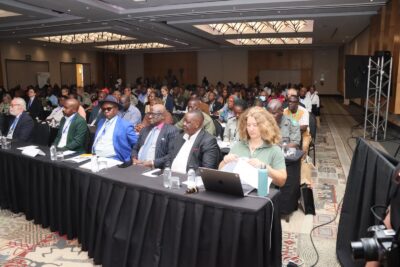
Namibia convened the inaugural CBNRM conference from 25 – 26 March 2026 in Windhoek. Attended by over 200 delegates, the conference was an opportunity to reflect on, and shape the future of CBNRM in the country.
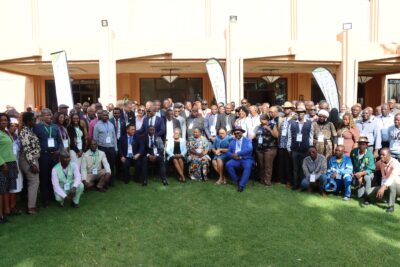
Held under the theme ‘Enhancing governance for optimized benefits’ the conference was held against the backdrop of nearly 30 years of CBNRM implementation, a period that has generated demonstrable progress, useful experiences and invaluable lessons.
Delegates included Regional Governors, Chief Regional Officers, representatives of various stakeholders including traditional authorities, conservancies, and other CBOs, NGOs, researchers and media practitioners.
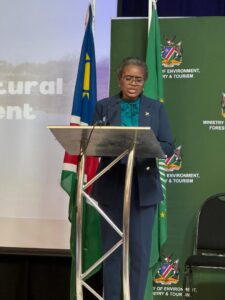
The opening session featured remarks by the Namibia CBNRM Support Organisations Chairperson, Prof. Selma Lendelvo who reflected on the evolution of CBNRM in Namibia, highlighting the importance of collaboration of state and non-state actors as well as the communities and a keynote address by the Minister of Environment, Forestry and Tourism, Hon. Indileni Daniel.
The Minister pointed out that while the country’s progress in conservation and tourism laudable, she warned against complacency and appealed for corrective measures to build on past successes. She noted financial management and governance concerns in conservancies as examples of the enduring challenges in CBNRM.
Following the opening session was a scene setting session covering updates on the conservancy programme by Mr. Bennett Kahuure, Director of Wildlife and National Parks, the community forest programme by Mr. Johnson Ndokosho, Director of Forestrry while Mr. Ronny Dempers presented on institutional arrangements and forums for CBNRM. Dr. Nyambe Nyambe, the Executive Director of the Kavango Zambezi Trans Frontier Conservation Area (KAZA TFCA) Secretariat presented on the lessons on CBNRM from other KAZA TFCA Partner States in which he also reflected on recent legal and policy developments to strengthen CBNRM.
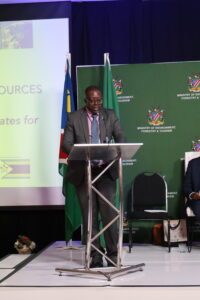
The rest of the conference featured a series of key presentations and updates interspersed with open plenary discussions. Key updates and presentations focused on the governance, management, and future direction of Namibia’s community-based natural resource management structures.
Speakers addressed community perspectives on the management of Conservancies, Community Forests, and Community Associations, along with proposed regulations aimed at strengthening their governance. Sessions further explored the role and establishment of community associations, the protection of landscapes and sites of conservation importance, and current issues surrounding hunting practices within conservancies. Important guidance was shared on Joint Venture Tourism, including updated guidelines and templates, as well as the management of tourism concessions and the utilization of forestry products under relevant regulations. Presenters highlighted ongoing efforts to integrate conservancies and community forests to improve coordinated resource management, and discussed investment opportunities in emerging sectors such as green hydrogen, wind power, and carbon trading.

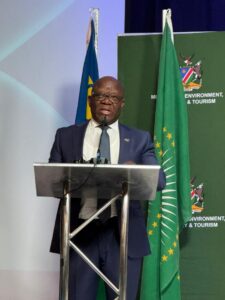
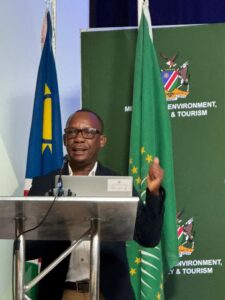
Updates were also provided on poaching trends affecting both animals and plants, emphasizing the critical role of Community-Based Organisations in natural resource protection. Additionally, the conference examined the policy framework and legislation related to prospecting and mining in conservancies and community forests, and reaffirmed the vital role conservancies play in managing human–wildlife conflict across communal areas.
The two days conference closed with a presentation of the Kunene Lions Rangers awards and a summary of the resolutions and closing remarks by the Minister.
The Minister officially closed the inaugural national CBNRM conference by highlighting the success of the community‑driven, government‑supported lion ranger programme and encouraging other regions beyond Kunene to explore similar models. She announced that a comprehensive conference report, including recommendations and resolutions, will be compiled within two weeks for submission to her office and subsequently shared with participants after Cabinet is briefed, given that several issues span multiple ministries and agencies.
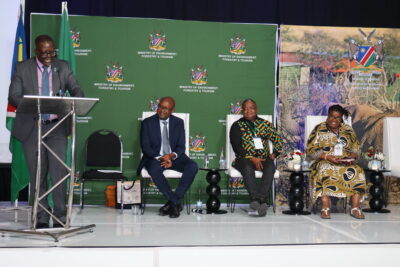
Among the key resolutions outlined were the convening of focused regional meetings to address conservancy, community forest, and community association matters, covering areas such as fire management, tourism development by conservancy members, internship opportunities in the hunting sector, and exploring the introduction of a “citizen hunting” category. The Minister underscored strict adherence to governance and financial management regulations, consideration of exemptions to minimum wage requirements for certain community entities, and the need to strengthen rights‑based, inclusive governance to ensure equitable benefit‑sharing.
Additional priorities include enhanced coordination and monitoring for accountability, development of an updated integrated national CBNRM policy in collaboration with relevant ministries, establishment of minimum eligibility requirements, and clear guidelines for benefit‑sharing from carbon trading. She emphasized reinforcing community voice and ownership and affirmed that all resolutions will be integrated into annual work plans to drive implementation going forward.