
Our Stories
KAZA Supports Critical Infrastructure at Kasane Anti-Poaching Unit Camp


In the Botswana component of the Kavango Zambezi Trans Frontier Conservation Area (KAZA TFCA), the Kasane Anti-Poaching Unit (APU) Camp stands as a vital outpost in the fight against wildlife crime. Located a few kilometres from the Chobe River system, the camp operates within a landscape defined by constant wildlife movement such as elephants, buffalo, lions, and other species traverse this terrain daily. For the officers stationed there, this proximity is both central to their mission and a persistent safety risk.
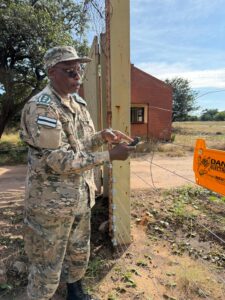
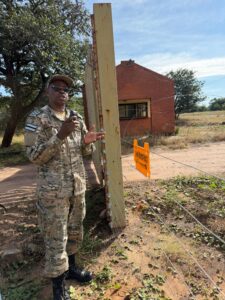
Recognizing the urgent need to strengthen protection for frontline personnel, the KAZA Secretariat, with financial support from the Federal Republic of Germany through KfW, supported the Department of Wildlife and National Parks (DWNP) in restoring full functionality of the camp’s solarized electric fence system. This targeted intervention addressed a critical vulnerability that had left the camp exposed to dangerous wildlife incursions.
The 2.25-kilometre fence, designed as a wildlife-friendly barrier, plays a dual role: it protects officers and their families while maintaining ecological connectivity across the broader landscape. However, earlier power disruptions in 2023, followed by a tragic elephant-related fatality in early 2024, highlighted the risks associated with infrastructure failure. Subsequent lightning strikes in late 2025 caused further damage to key components of the solar-powered system, ultimately rendering the fence non-operational.
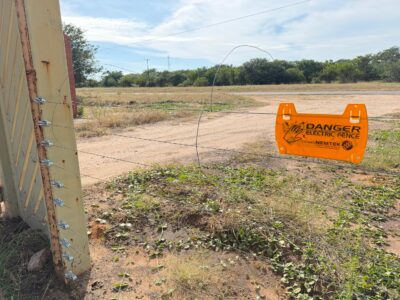
With the fence compromised, the risks were immediate and escalating. Wildlife particularly elephants could freely enter the camp, threatening lives, damaging infrastructure, and undermining morale among officers already operating under demanding conditions. The situation also had broader implications for conservation enforcement, as a secure and functional base is essential for effective anti-poaching operations.
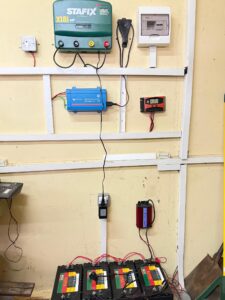
Through the provision of critical components including a high-performance energizer, battery storage, and power supply units, the KAZA Secretariat supported the timely restoration of the fence system. Installation and technical work, carried out by DWNP teams, ensured cost-effective implementation while reinforcing institutional ownership and long-term sustainability.
The impact of this intervention is both immediate and far-reaching. With the fence restored, the camp once again benefits from a reliable perimeter security system that significantly reduces the likelihood of human-wildlife conflict within its boundaries. Officers can carry out their duties with renewed confidence, knowing that their living and working environment is secure. At the same time, the intervention safeguards government infrastructure and helps prevent further costly damage that could arise from prolonged system failure.
This initiative reflects KAZA’s broader commitment to supporting frontline conservation efforts across the transboundary landscape. By investing in practical, high-impact solutions such as the rehabilitation of essential infrastructure, KAZA continues to strengthen the capacity of Partner States to manage human-wildlife interfaces effectively while safeguarding personnel.
As conservation challenges grow increasingly complex, the importance of secure and well-supported frontline operations cannot be overstated. The restoration of the solarized electric fence at Kasane APU Camp is more than a technical upgrade, it is a reaffirmation of the value placed on human safety, operational readiness, and the enduring mission to protect one of Africa’s most important wildlife landscapes.